
What Is a Rapid Freezer? A Thorough Explanation of Benefits, Operational Efficiency, and Key Points Before Installation

Rapid freezers are devices equipped with cutting-edge technology that is currently attracting attention in the food industry. They achieve what was difficult with conventional freezers—maintaining freshness, umami, and flavor—while also significantly contributing to food loss reduction and operational efficiency. In this article, we clearly explain the basics of rapid freezers, their benefits, and important points to consider before installation. If you want to understand the differences between rapid freezers and conventional freezers, be sure to read on.
Contents
What Is a Rapid Freezer?
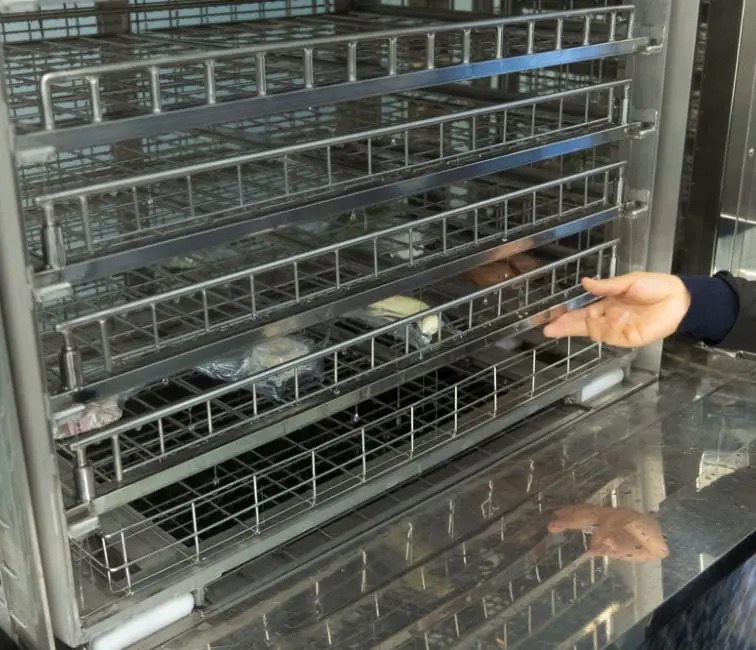
A rapid freezer is a device that freezes food at a much faster speed than conventional freezing technology. There are several types, including air-blast systems, liquid freezing systems, and liquid nitrogen systems.
All of these types can handle a wide range of ingredients such as seafood, meat, and vegetables, and they are widely used in food factories, restaurants, and catering centers as commercial equipment.
In conventional freezers, food cools slowly, making cells more likely to be damaged and causing umami and nutrients to leak out during thawing. Rapid freezers, on the other hand, cool food quickly, suppressing the formation of large ice crystals that cause the loss of flavor and nutrients.
For example, Technican’s “Tomin” is a liquid-freezing rapid freezer that instantly freezes food using liquid at -30°C. This minimizes cell damage and preserves flavor, texture, and nutrients.
Uses of Rapid Freezers
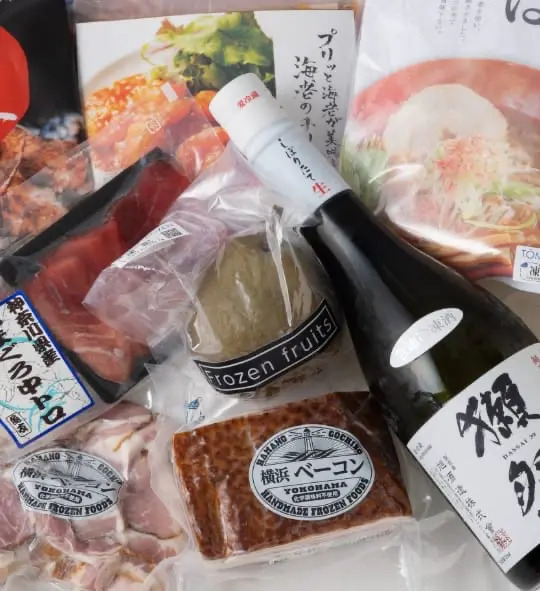
The primary uses of rapid freezers are high-quality food preservation, increased sales, and improved operational efficiency.
They prevent quality deterioration that was unavoidable with conventional freezing methods and maintain the value of ingredients over long periods. In addition, shorter processing times help improve overall productivity.
Quality Improvement
Rapid freezers are mainly used to improve food quality.
Instant freezing technology protects the cellular structure of ingredients, minimizing drip (moisture loss) during thawing. This also prevents the loss of nutrients.
In fact, when sashimi-grade fish is rapidly frozen, it can retain almost the same texture and flavor as fresh fish after thawing. Vegetables also maintain their crisp texture, greatly improving cooking results.
Sales Growth
Many businesses introduce rapid freezing technology to increase sales.
As mentioned above, providing high-quality frozen foods improves customer satisfaction, leading to repeat purchases and new customer acquisition through word of mouth. In addition, extended storage periods reduce disposal loss and improve profit margins.
Some food manufacturers have reported a significant reduction in quality complaints after introducing rapid freezers, with sales far exceeding the previous year. Extended sales periods for frozen foods also make year-round sales of seasonal products possible, increasing revenue.
Operational Efficiency
Rapid freezers are also commonly introduced to improve overall operational efficiency.
By dramatically shortening freezing times, work cycles are improved, allowing more ingredients to be processed within the same time frame. Energy-efficient models can also reduce electricity costs.
For example, if a freezing process that previously took six hours can be completed in 30 minutes, daily processing capacity increases twelvefold. In addition, reduced labor and equipment operating costs shorten the return-on-investment period.
Key Points Before Installing a Rapid Freezer

To ensure a successful installation, thorough advance consideration is essential.
Because equipment investment has long-term impacts, it is necessary to carefully select a model that matches your company’s scale and needs, as well as to develop a post-installation operation plan. It is also important to consider ways to reduce initial costs.
Utilizing Subsidies and Leasing
Using subsidy programs and leasing contracts is an effective way to reduce the financial burden of installation.
Rapid freezers require a large initial investment, but by devising financing methods, the hurdle to introduction can be lowered. National and local government programs may be available, so it is worth checking.
Examples include equipment investment subsidies for small and medium-sized enterprises and support programs for introducing energy-saving equipment. Leasing contracts allow monthly payments, significantly reducing upfront costs.
Freezing Test Requests
Pre-installation freezing tests are extremely important when selecting equipment.
By testing with actual ingredients, you can confirm in advance whether the expected quality can be achieved. Many manufacturers offer test services free of charge or at low cost.
By freezing your main products, such as fish fillets or prepared foods, you can carefully evaluate the condition after thawing.
Technican offers not only subsidy support but also freezing tests using actual ingredients. This allows you to thoroughly verify effectiveness and costs before installation. If you want to make a concrete cost-performance judgment, we highly recommend trying it.

Checking Case Studies
When considering the introduction of a rapid freezer, be sure to review case studies from other companies and facilities.
By learning about actual operational data and post-installation changes, you can more clearly envision how the equipment can be used and what benefits to expect. Industry-specific problem-solving examples are also valuable references.
Examples include food processing companies achieving mass production while maintaining freshness, and frozen food manufacturers expanding product lines and increasing sales. Analyzing successful cases allows you to predict the effects of installation and create an optimal introduction plan.
See examples of Frozen Sleep implementation here.

Understanding the Uses of Rapid Freezers and Pre-installation Checkpoints
Rapid freezers are innovative technologies that simultaneously achieve food quality preservation and operational efficiency.
Their benefits are wide-ranging, including increased sales through quality improvement, enhanced productivity through reduced working time, and social contributions through food loss reduction.
When considering installation, it is important to create an optimal plan by utilizing subsidies, conducting advance testing, and referencing successful cases. Consulting with manufacturers that adopt the latest technologies, such as liquid freezing systems, can lead to even more effective installations.
Technican’s liquid rapid freezer “Tomin” freezes ingredients while preserving cellular integrity, making a major contribution to solving challenges in the food industry. Be sure to check the official website for the latest information and case studies.

