
How Liquid Freezing Works: Technology That Preserves Quality and Real-World Adoption Cases

Liquid freezing is a technology that has attracted attention as a solution for preserving food quality and reducing food loss. Unlike conventional freezing methods, liquid freezing rapidly freezes food while protecting cellular structures, thereby suppressing drip after thawing. This article provides a thorough explanation of how liquid freezing works, its benefits, adoption cases, and key points for selecting equipment. By properly understanding liquid freezing technology, businesses can aim for sustainable operations.
Contents
- What Is Liquid Freezing?
- Specific Mechanism of Liquid Freezing
- Benefits of Introducing Rapid Freezing Technology
- Types and Characteristics of Liquid Freezing Technology
- How to Introduce Liquid Freezing Equipment
- Key Points for Selecting Rapid Freezing Equipment
- Introduction of Adoption Cases
- Transforming the Future of the Food Industry with Liquid Freezing Technology
What Is Liquid Freezing?

Liquid freezing is a technology that rapidly cools and freezes food using liquid cooling media such as liquid nitrogen or brine solutions. This method allows food to be frozen without completely damaging cellular structures.
What impact does rapid freezing and reduced cellular damage have on food? Below, we explain this by comparing liquid freezing with conventional methods.
Differences from Conventional Freezing Methods
When food freezes, the water inside turns into ice crystals. In conventional slow freezing, it takes time for the water temperature to drop and freeze, causing ice crystals to grow large. These large ice crystals damage cell walls from the inside, leading to the leakage of water containing umami components and nutrients (drip) during thawing.
In contrast, liquid freezing instantly freezes food, drastically shortening the time required for water to crystallize and keeping ice crystals extremely small. As a result, damage to cellular structures is minimized, and the original texture, flavor, and nutritional value of food are maintained even after thawing.
Specific Mechanism of Liquid Freezing
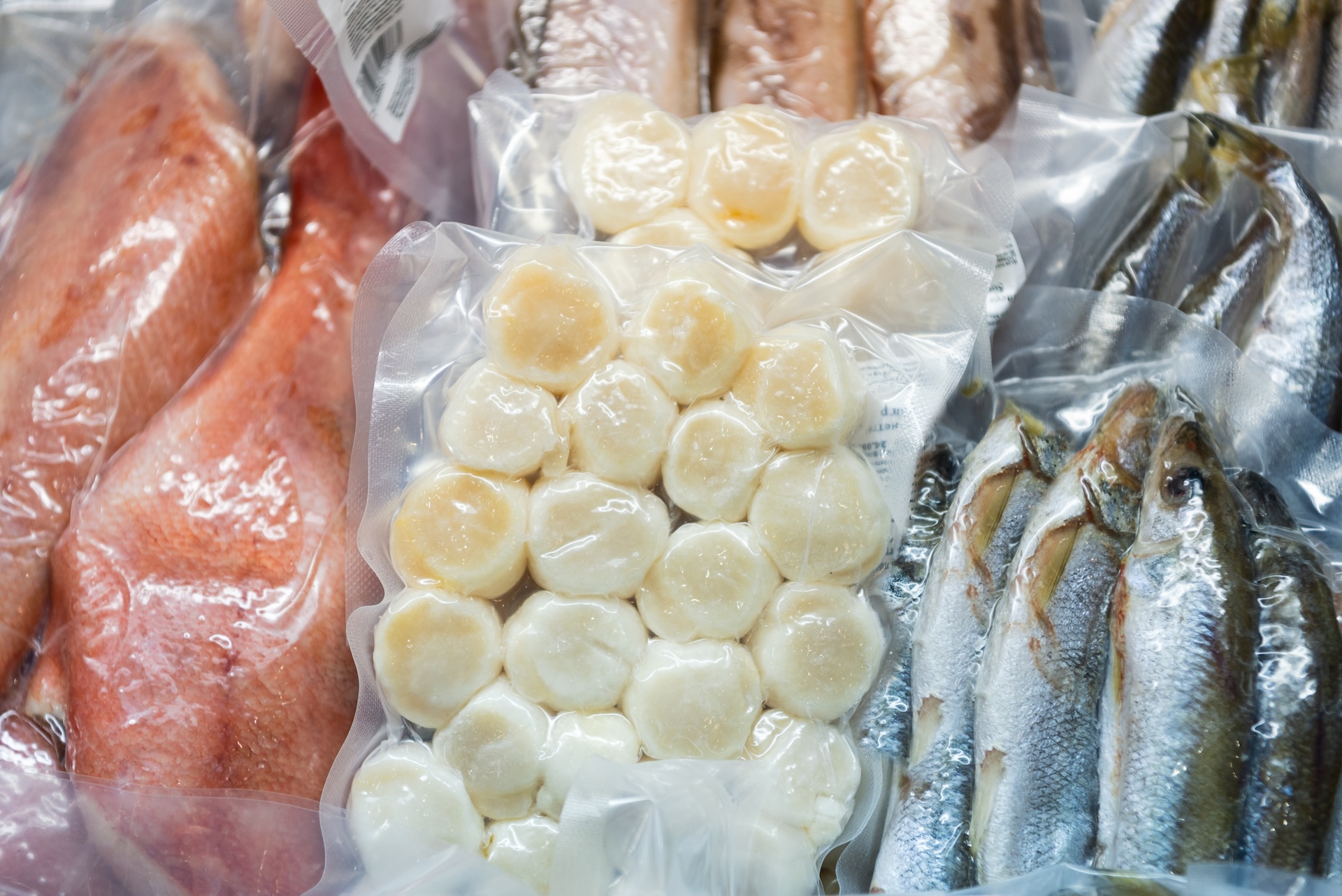
The specific mechanism of liquid freezing involves directly immersing vacuum-packed food into a cooling medium. Because liquids have far higher thermal conductivity than air, food can be cooled rapidly and uniformly from the surface to the core at extremely low temperatures.
High Thermal Conductivity
A key factor in rapid freezing is thermal conductivity, which indicates how efficiently heat is removed from food. The higher the thermal conductivity, the faster freezing can be completed.
Liquid freezing technology leverages the high thermal conductivity of liquids compared to air, making it highly effective at freezing food evenly and quickly throughout.
Benefits of Introducing Rapid Freezing Technology

Introducing rapid freezing technology offers several advantages, including long-term freshness preservation and improved operational efficiency.
Preserving Freshness and Improving Quality
As described above, liquid freezing prevents cellular damage, enabling freshness preservation and quality improvement. As a result, texture and flavor are maintained after thawing.
Rapid freezing also prevents protein denaturation and helps retain the high nutritional value present before freezing. This allows consumers to enjoy fresh, delicious food while enabling food businesses to increase customer satisfaction by offering high-quality products.
Reducing Food Loss
Liquid freezing technology significantly contributes to reducing food loss. By rapidly freezing food, storage periods are extended and the amount of discarded food is reduced.
This simplifies inventory management and enables efficient operations for food businesses. Maintaining quality during storage also supports the construction of a sustainable food supply chain.
Types and Characteristics of Liquid Freezing Technology
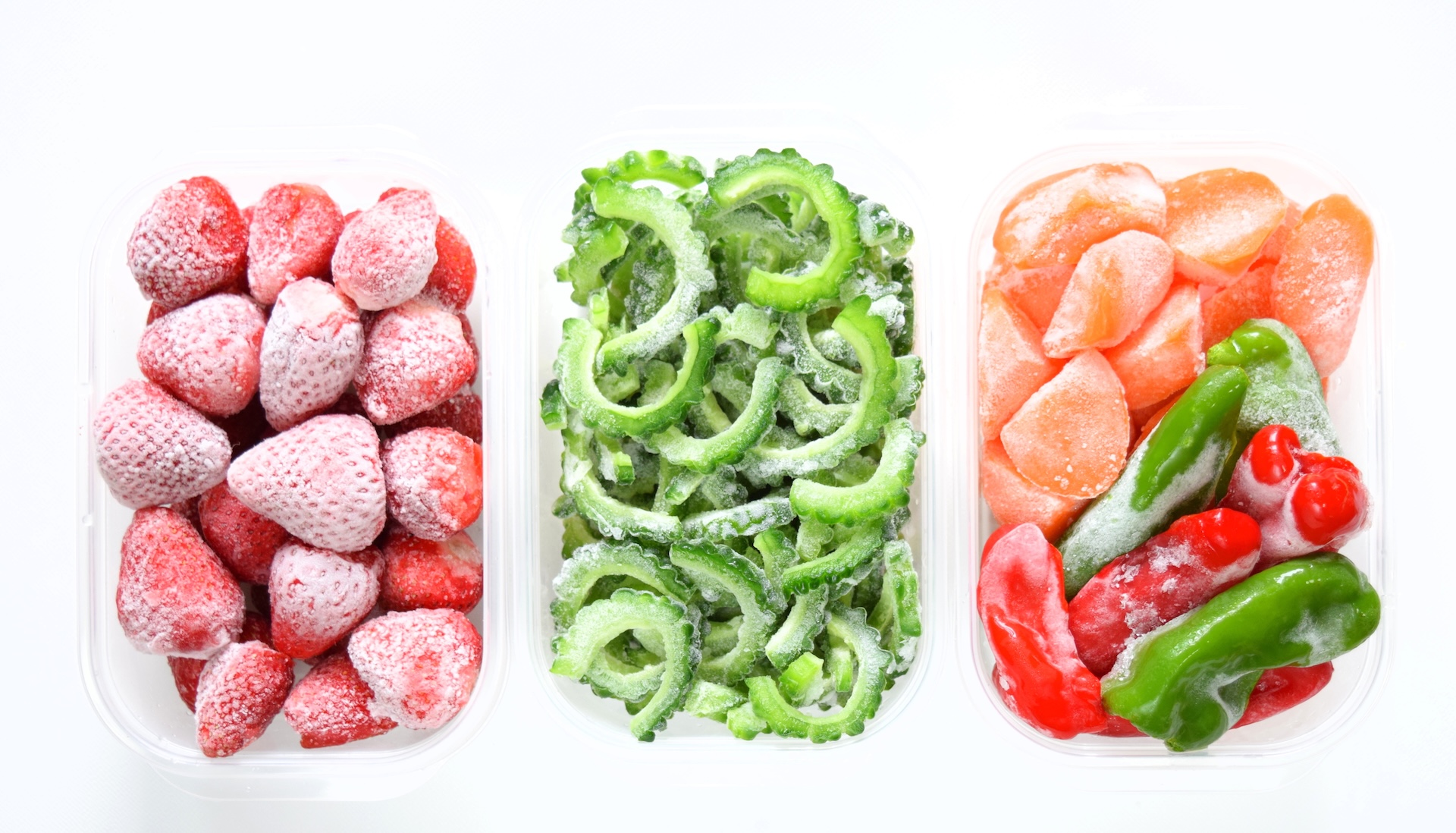
There are various types of liquid freezing technology, with two representative methods being air-blast freezing and liquid nitrogen freezing. Both can rapidly freeze food while preserving quality, but their advantages and applications differ.
Air-Blast Freezing
Air-blast freezing is a technology that rapidly freezes food using high-speed cold air.
Using brine solutions or air-blast freezers, food can be cooled uniformly from the surface to the interior, maintaining quality during freezing. This method is effective for freezing large food items such as fish and meat.
It also has the advantage of reducing frost formation on food surfaces and minimizing drip during thawing.

Liquid Freezing
Liquid freezing uses extremely low-temperature liquid nitrogen to rapidly freeze food. Because food temperature is instantly lowered, cellular structure damage is minimized, and oxidation and quality deterioration are effectively prevented.
A product that maximizes the advantages of liquid freezing is Technican’s “Tomin” series. Using proprietary technology with liquid alcohol at -30°C, it achieves higher-quality freezing than conventional rapid freezers.
Technican “Frozen Sleep” Series is available here.
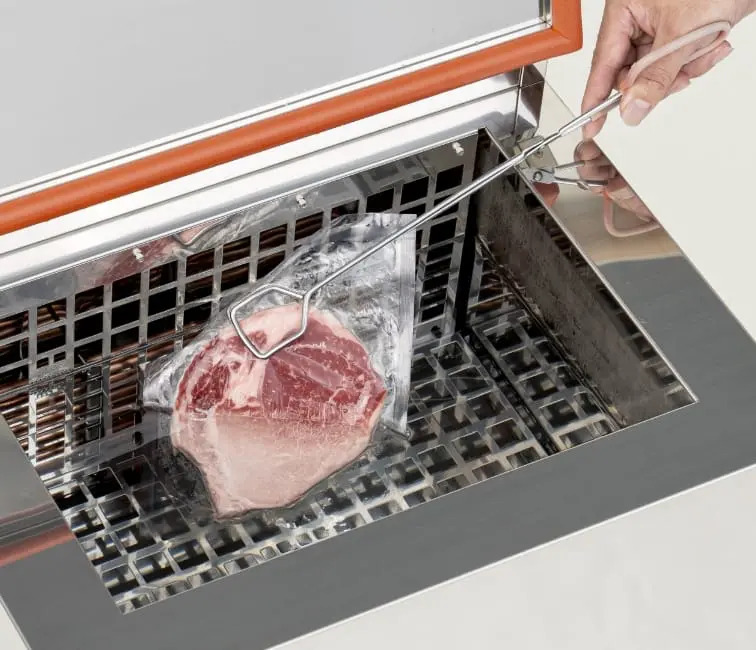
How to Introduce Liquid Freezing Equipment
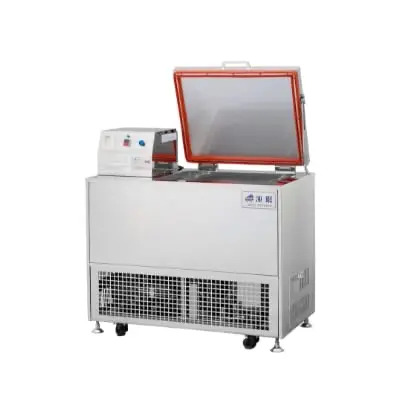
When introducing liquid freezing technology, the first step is to analyze business needs. Next, select equipment suitable for the type and volume of food to be frozen and secure an appropriate installation location.
It is also essential to train employees and thoroughly review operation manuals. Finally, establish a regular maintenance plan to ensure long-term operation.
Key Points for Selecting Rapid Freezing Equipment

When selecting equipment, it is crucial to choose a machine that matches business needs and the target food products.
Freezing Speed
Directly affects quality and freshness preservation, so select equipment with an optimal balance between speed and processing capacity.
Energy Efficiency (Running Costs)
Choose energy-efficient models to reduce electricity and cooling material costs after installation.
Durability and Usability
In addition to durability for long-term use, ease of operation that reduces employee workload is also important.
If you have any questions or are considering installation, please feel free to contact us.
Introduction of Adoption Cases

In one adoption case involving a food processing company, the introduction of liquid freezing technology successfully reduced annual food loss significantly.
Long-term storage while maintaining freshness improved consumer satisfaction. Parasite control and thawing quality also improved, enhancing safety. Furthermore, operational efficiency increased dramatically, and running costs were reduced.
By referring to real-world adoption cases, businesses can move closer to successful implementation.
Transforming the Future of the Food Industry with Liquid Freezing Technology

Liquid freezing technology enables efficient storage while preserving food quality and freshness, bringing major transformation to the food industry.
With benefits such as food loss reduction, improved operational efficiency, and stable supply of high-quality food, liquid freezing is expected to gain increasing attention.
For sustainable business operations and stronger market competitiveness, consider introducing liquid freezing equipment.
For inquiries regarding Technican’s [Cryogenic Sleep], please contact us here.

