
Preserving Seafood Freshness with Rapid Freezing: Benefits and Real-World Case Studies
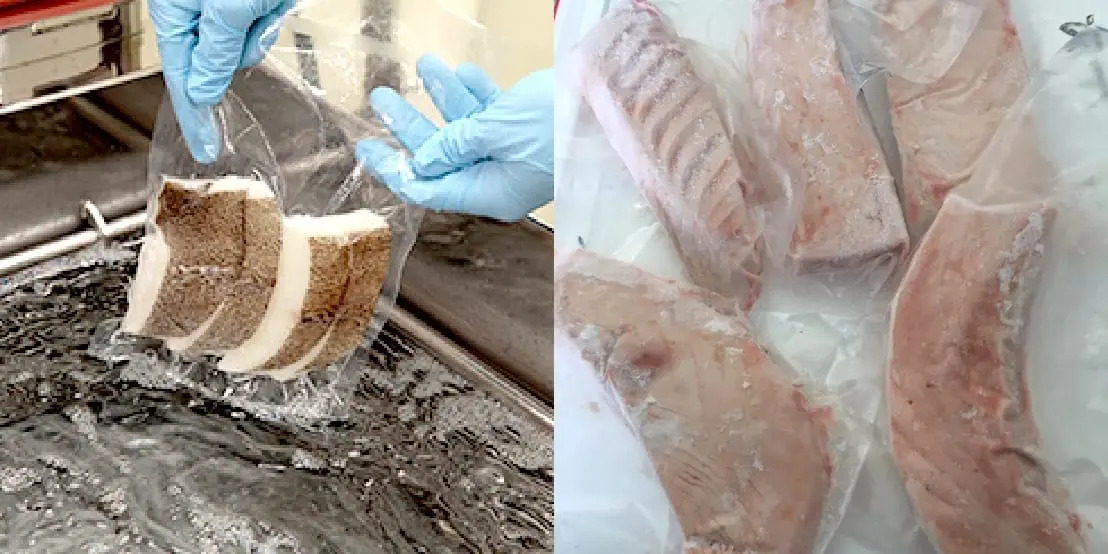
Preserving the quality of fresh seafood has long been a challenge for fisheries, cooperatives, and restaurant operators. How can the freshness of seafood immediately after landing be delivered to consumers anytime and anywhere? Rapid freezing technology, which freezes seafood in a short time while minimizing cellular damage, fundamentally solves this challenge. This article explains the specific benefits of rapid freezing technology, including improved freshness and safety, logistics efficiency, and cost reduction. It also introduces real-world adoption cases, proper thawing methods that maintain quality, and tips for selecting freezing equipment.
Contents
The Appeal of Rapidly Frozen Seafood
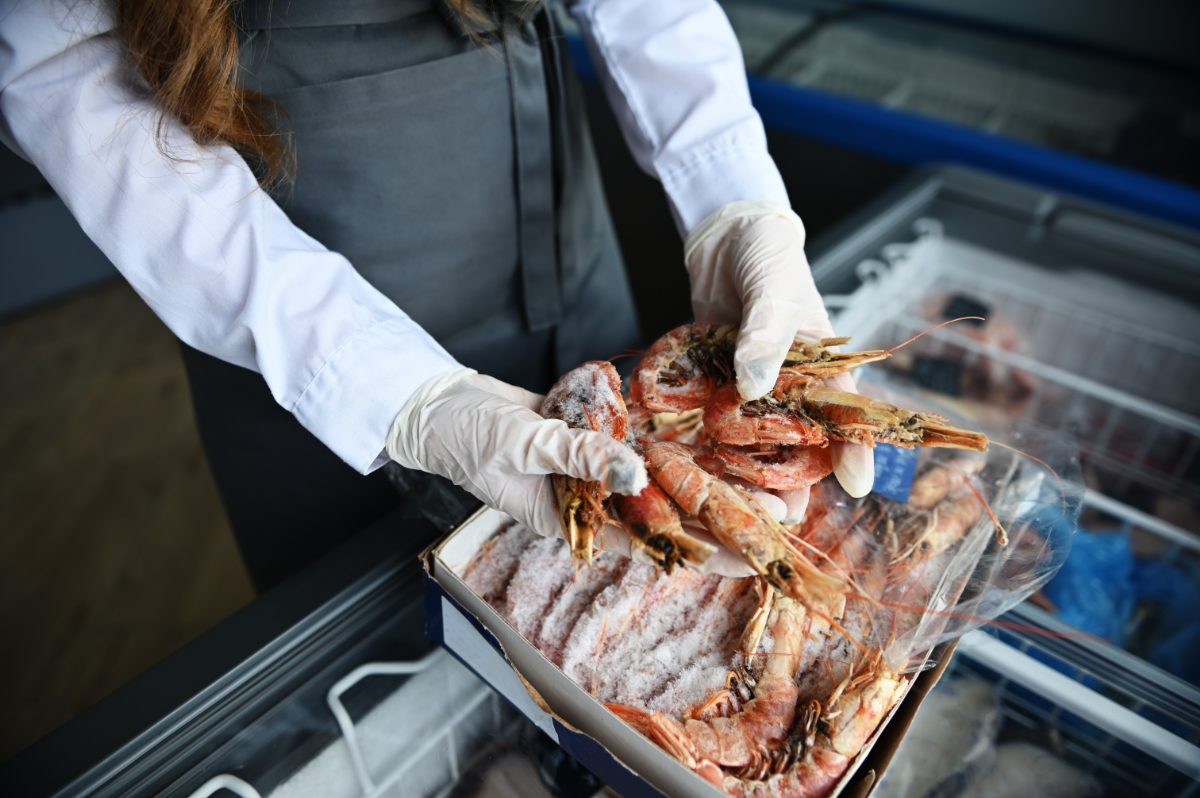
Rapid freezing technology allows seafood freshness to be preserved for long periods, enabling consumers to enjoy fresh seafood regardless of season.
Below, we explain in detail the appeal of rapid freezing, including logistics efficiency and cost reduction.
Mechanism of Freshness Preservation
Rapid freezing preserves freshness by freezing seafood immediately after harvest. By rapidly lowering temperature, moisture inside the food crystallizes finely, minimizing cellular damage.
As a result, seafood does not deteriorate during freezing and retains its original freshness, flavor, and texture even after thawing.
Parasite Reduction Effects
Rapid freezing significantly improves seafood safety. Rapid temperature reduction stops parasite activity and leads to their elimination, reducing the risk of food poisoning and ensuring safe consumption.
Logistics Efficiency and Cost Reduction
Rapid freezing improves seafood logistics efficiency and reduces costs.
High-quality long-distance transportation becomes possible, enabling seafood caught in peak season to be frozen and supplied to the market later. This reduces waste caused by expiration or quality deterioration.
Planned production and inventory management also become possible, allowing businesses to respond flexibly to demand fluctuations and reduce operating costs.
Examples of Rapid Freezing Adoption

Rapid freezing technology has been adopted by many seafood-related businesses. Below are examples of Technican’s adoption cases.
Case Study 1: Shinto Fish Farm
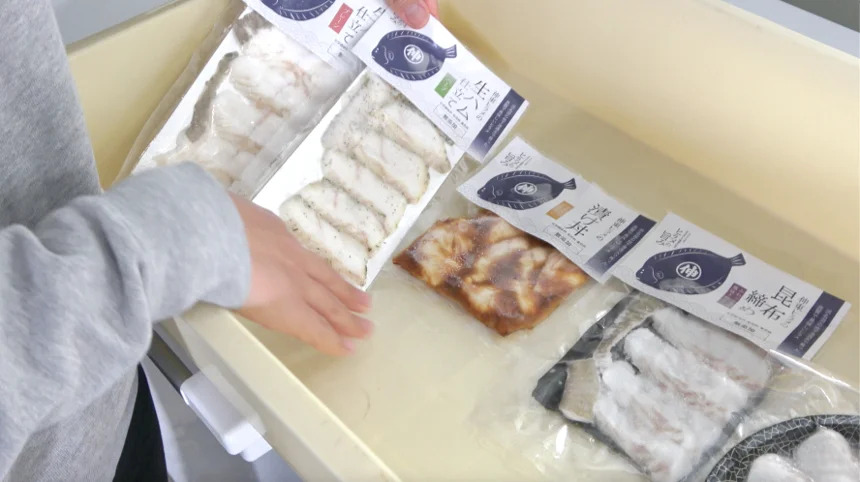
At Shinto Fish Farm in Kosai City, Shizuoka Prefecture, the introduction of Tomin enabled the company to meet peak-season demand. According to Mr. Tokumasu, “December is the peak season for flounder sales, but manual processing could not keep up with demand.” The greatest advantage of Tomin is the ability to “freeze at the peak of freshness.”
By freezing aged fish at the optimal timing, they can supply seasonal flavor year-round. Freezing harvest-sized flounder also reduced feed costs, contributing to improved management.
A sales manager at Entetsu Department Store commented during tasting, “My image of frozen fish and sashimi was completely overturned. The texture was so firm that I couldn’t believe it was frozen.” These products are now sold as gifts such as summer and year-end gifts.
For more details on Shinto Fish Farm’s implementation case, please see here.
Case Study 2: Koshida Shoten
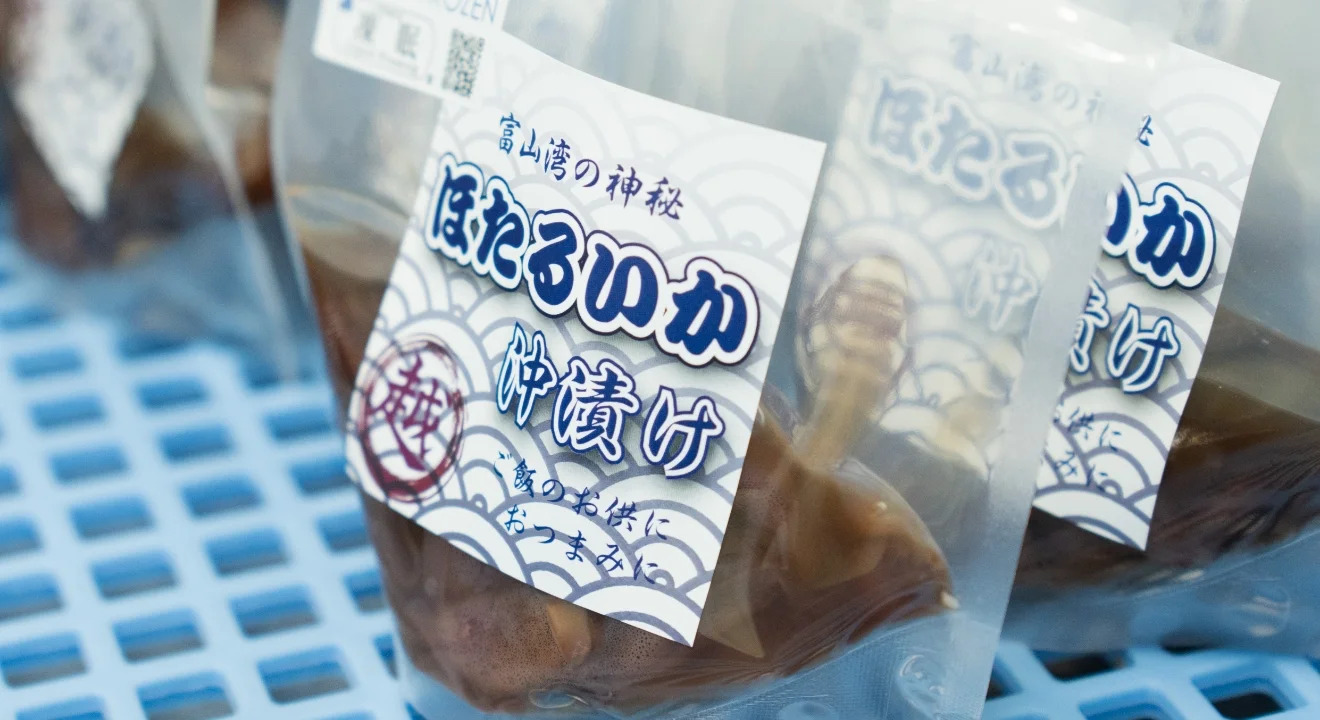
Koshida Shoten in Himi City, Toyama Prefecture, practices an innovative “secondary freezing” sales method using Tomin technology. The executive director described his first experience eating Tomin-frozen food as, “If you eat it with your eyes closed, you can’t tell the difference from freshly caught seafood.”
The company processes products after thawing once and then refreezes them using Tomin for retail sale. Even when thawed and refrozen after one year, the bursting texture of freshly caught seafood remains unchanged.
They also commercialized products from previously discarded materials, such as shrimp shells for broth and tuna trimmings for rice bowls, contributing significantly to food loss reduction.
For more details on Koshida Shoten implementation, Please see here.
Case Study 3: Kikuhira
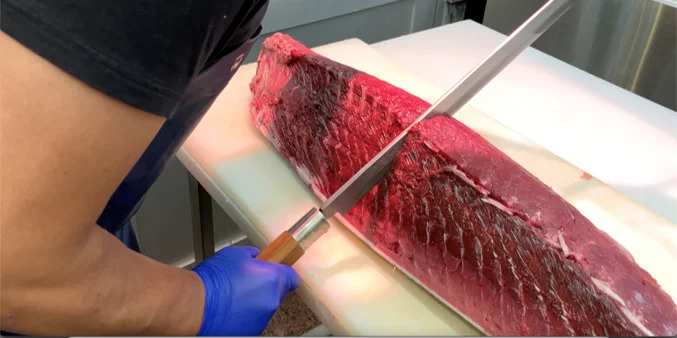
At Kikuhira, a tuna wholesaler at Yokohama Central Wholesale Market, the introduction of Tomin produced clear business results. Staff commented that “there is no longer a need to force sales of unsold products,” achieving food loss reduction.
President Arai stated, “Since introducing Tomin, our profit margin has increased by 2%.” By controlling freshness, they can implement sales strategies that maximize product value, including purchasing tuna when prices are low and selling when prices rise.
Key Points for Thawing Rapidly Frozen Seafood

To effectively use rapidly frozen seafood, appropriate thawing methods must be selected.
Optimal Thawing Methods
Common thawing methods include:
– Natural thawing in a refrigerator
– Thawing under running water
– Microwave thawing
– Rapid thawing machines
Refrigerator thawing is the most common method, allowing gradual temperature increase while maintaining quality. Running water thawing uses cold water to speed up thawing. Microwave thawing is possible but requires careful monitoring to avoid partial cooking. Rapid thawing machines help prevent uneven thawing.
Precautions and Tips
To maintain quality, temperature changes during thawing should be gradual.
Thaw seafood as quickly as possible while maintaining low temperatures. When using running water, change water frequently. When using a microwave, use low power and short intervals.
After thawing, cook seafood immediately to maximize freshness.
How to Choose a Rapid Freezer

To maximize benefits, select equipment that matches business needs and operate it properly.
Performance Comparison and Installation Costs
Key performance indicators include minimum temperature, freezing speed, and energy efficiency. Installation costs range from several hundred thousand to several million yen. Consider running and maintenance costs in addition to initial investment.
Operation and Maintenance After Installation
Regular maintenance is essential to maintain freezing performance. Clean the interior regularly and inspect key components such as cooling units and compressors.
Proper maintenance extends equipment lifespan and prevents issues, ensuring stable operation and quality preservation.
Ensure the Freezer Is Suitable for Your Needs
Not all rapid freezers suit all foods. Depending on business scale and food volume, some equipment may be insufficient.
Technican provides resources to check compatible foods and industries. Even if not listed, solutions may be available depending on circumstances.
Numerous Benefits of Rapid Freezing Technology for the Seafood Industry
Rapid freezing technology allows seafood to be delivered to consumers with preserved freshness even after peak season. It reduces parasite risks, improves food safety, stabilizes supply, and lowers costs through logistics efficiency.
To enhance brand value and operational efficiency, consider introducing Technican’s rapid freezing technology “Tomin.”

