
5 Key Benefits of Introducing a Rapid Freezer

Freezing technology has long been utilized in the food service and food processing industries. However, in recent years, rapid freezing technology has gained attention as a method capable of maintaining food quality and reproducing original taste after thawing—something that conventional freezing methods struggled to achieve. Rapid freezing carefully controls cooling speed and ice crystal formation, taking the internal structure of food into account. By minimizing cellular damage, it allows ingredients to retain high quality even after thawing. This article clearly explains the advantages of rapid freezing while also covering differences from conventional freezing methods and suitable ingredients.
Contents
What Is a Rapid Freezer?

A rapid freezer is a machine that quickly freezes food by exposing it to cold air at approximately -30°C, allowing ingredients to freeze in a very short time.
Unlike standard freezers, rapid freezers use specialized mechanisms that preserve umami, flavor, and freshness during storage.
Previously, rapid freezers were mainly used in large-scale food factories and commercial kitchens. Recently, however, they have been increasingly adopted by small and medium-sized restaurants and food processing facilities as an effective solution for reducing food loss and improving operational efficiency.
Differences from Conventional Freezing
The main difference between rapid freezing and conventional freezing lies in the taste, texture, and nutritional value of food after thawing.
Rapid freezing suppresses the growth of ice crystals, minimizing cellular damage. Conventional freezing occurs slowly, allowing ice crystals to grow larger and damage cells.
As a result, conventionally frozen fish or meat often releases excess liquid, known as drip, during thawing. This indicates that flavor and nutrients have leaked out. Rapid freezing significantly reduces drip, preserving freshness and texture.
Key Benefits of Rapid Freezers

Rapid freezers offer multiple benefits, including preserving freshness, reducing food loss, lowering costs, and improving operational efficiency.
1. Preserving Freshness and Flavor
Rapid freezing preserves freshness, flavor, and nutritional value by minimizing ice crystal expansion. Even premium ingredients such as sushi toppings and wagyu beef can maintain their quality after thawing.
2. Reducing Food Loss
Rapid freezing allows surplus inventory to be frozen at peak freshness and used later without quality loss. It also enables partial thawing, reducing waste.
3. Cost Reduction Through Time and Labor Savings
Long-term storage enables bulk purchasing at lower prices and reduces frequent procurement and inventory management, resulting in overall cost savings.
4. Improved Operational Efficiency
Advance preparation and rapid freezing reduce daily preparation workloads and labor costs while maintaining consistent food quality, leading to higher customer satisfaction.
How to Choose a Rapid Freezer

When introducing a rapid freezer, it is important to consider usage, capacity, energy efficiency, maintenance, and installation conditions.
Clarify Usage and Capacity
Select a freezer size appropriate for your business scale and the types of ingredients to be stored.
Energy Efficiency and Maintenance
Energy-efficient models reduce running costs and environmental impact. Easy maintenance ensures stable long-term operation.
Temperature Control and Usability
Precise temperature control and simple operation are essential for maintaining high quality and improving workflow efficiency.
Installation Space and Total Cost
Consider installation space, equipment cost, installation work, and long-term maintenance expenses when selecting a model.
Ingredients Suitable for Rapid Freezing
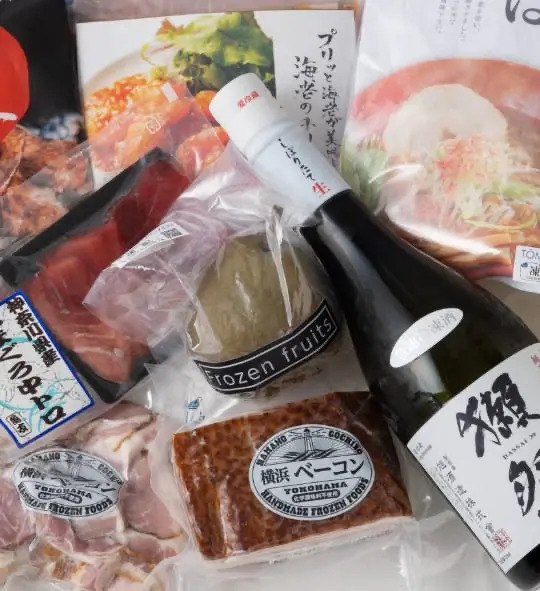
Fish, meat, bento meals, and sake are particularly suitable for rapid freezing.
Fish
Rapid freezing preserves freshness, texture, and umami, making it ideal for seafood.
Meat
Rapid freezing minimizes drip and preserves juiciness and flavor.
Bento Meals
Rapid freezing ensures even freezing of multiple ingredients, maintaining consistent quality.
Sake
Rapid freezing halts microbial activity and preserves aroma and flavor, especially for premium sake.
Conclusion
Introducing a rapid freezer provides numerous benefits, including freshness preservation, food loss reduction, and improved operational efficiency. By utilizing advanced freezing technology, businesses can maintain quality while supporting sustainable operations and product development.

