
Types of Rapid Freezers: Features of Air-Blast, Liquid Freezing, and How to Choose the Right System
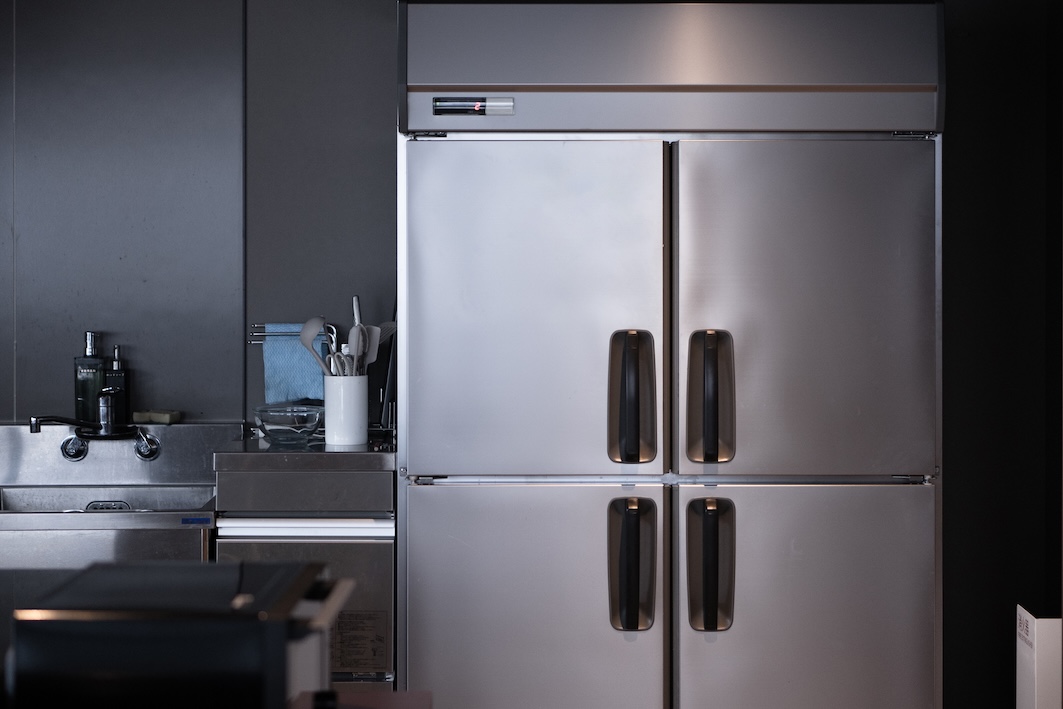
In recent years, rapid freezers have attracted significant attention in the food industry. Unlike conventional freezers, they use advanced technology to maintain high levels of freshness and flavor, dramatically changing both our eating habits and business operations. However, many people wonder, “What exactly can rapid freezers do?” or “What types are available, and how should we choose one?” This article provides a clear explanation of the basics of rapid freezers, optimal selection methods, and cutting-edge freezing technologies. We hope it serves as a useful reference for improving quality, reducing costs, and developing new products in your business.
Contents
What Is a Rapid Freezer?

A rapid freezer is a revolutionary technology that dramatically improves food quality. With conventional freezing methods, water inside food freezes slowly, forming large ice crystals that damage cell walls. Rapid freezers, however, can pass through the critical temperature zone of -5°C to -1°C—where ice crystals form—within 30 minutes, resulting in much smaller ice crystals.
This technology significantly reduces drip (the loss of umami and nutrients) during thawing, maintaining freshness and texture comparable to freshly prepared food. There are various systems such as air-blast, liquid freezing, liquid gas, and contact freezing, each capable of freezing food quickly and at high quality.
Although they may be referred to as “rapid freezing storage” or “instant freezers,” the basic principle is the same: protecting cellular structure and preserving original taste over long periods.
Key Points When Choosing a Rapid Freezer

Confirm Compatibility with Food
The most important factor when selecting a rapid freezer is compatibility with the target food. Optimal freezing methods vary depending on food type and characteristics.
Foods with high moisture content or complex shapes are prone to uneven freezing and drying, making systems that ensure uniform freezing preferable. Thick foods benefit from systems capable of freezing the core effectively.
By selecting a freezer that matches food characteristics and intended use, both quality preservation and operational efficiency can be achieved.
Prioritize Usability and Work Efficiency
Ease of use and workflow compatibility are often overlooked but critical factors.
Clear controls, smooth tray handling, and fast processing speeds improve productivity and reduce staff burden. In large facilities, processing volume and speed are especially important.
Intuitive operation allows even new staff to use the equipment easily, contributing to service quality improvement.
Check After-Sales Support
After-sales support is a crucial consideration.
Confirm warranty details, response times in case of failure, and long-term maintenance availability. For restaurants and manufacturers, equipment downtime can cause significant losses, making reliable support essential.
Types of Rapid Freezers
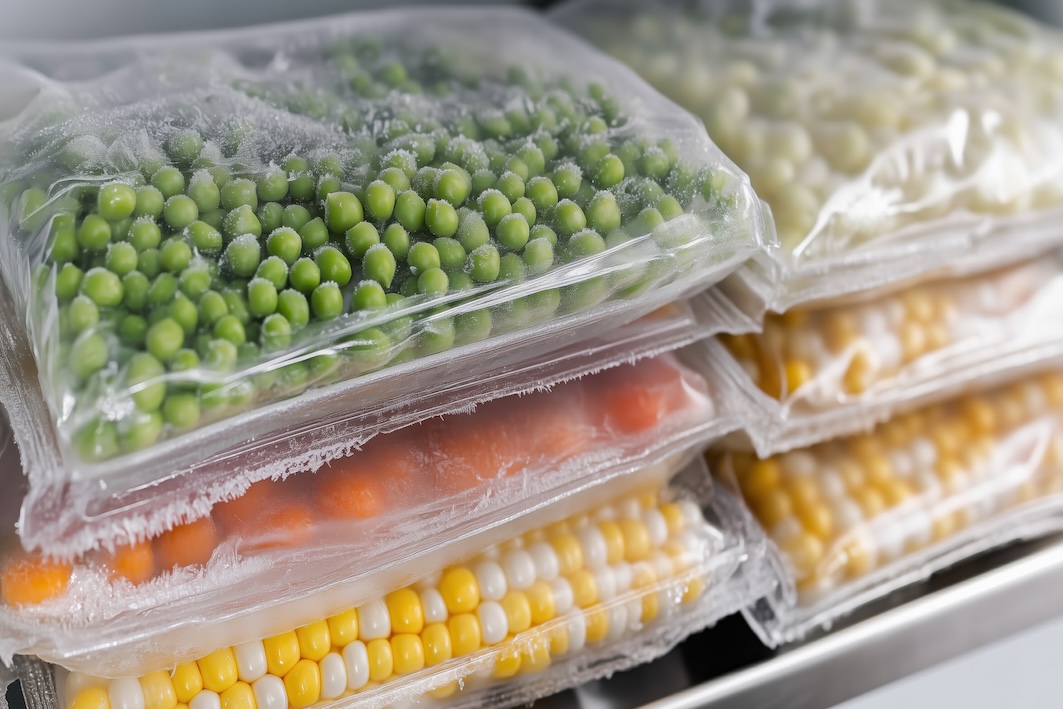
There are four main types of rapid freezers, each with distinct features:
Air-Blast Freezing
Uses cold air (-30°C to -70°C) blown onto food. Most common and versatile.
Liquid Freezing
Food is immersed in liquid that does not freeze at subzero temperatures (alcohol or brine). High thermal conductivity enables fast freezing.
Liquid Gas Freezing
Uses liquid nitrogen (-196°C) or dry ice for ultra-rapid freezing. Excellent quality preservation but high cost.
Contact Freezing
Food is pressed between chilled metal plates. Suitable for flat-shaped foods.
Among these, liquid freezing offers particularly superior performance. Liquid has approximately 20 times the thermal conductivity of air, minimizing cell damage and drip compared to air-blast systems.
Liquid freezing also ensures uniform freezing regardless of food shape or size, preserving near-fresh texture and flavor after thawing.
Technican’s “Tomin” Series Using Proprietary Liquid Freezing Technology
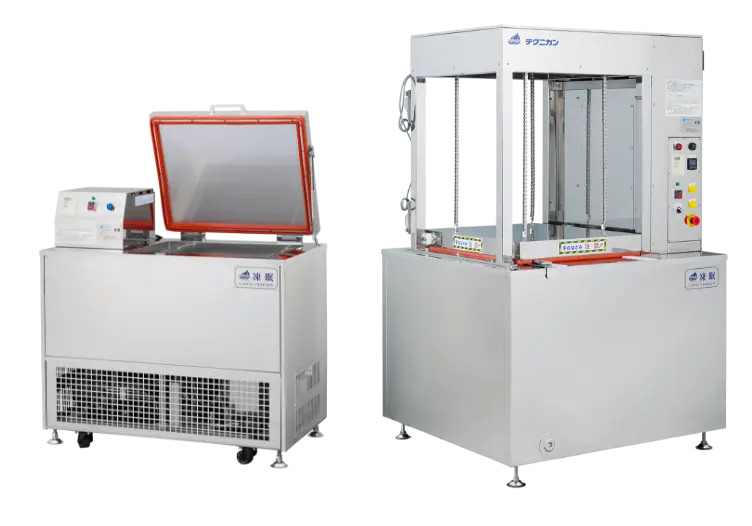
Technican’s “Tomin” series maximizes the advantages of liquid freezing using proprietary technology with -30°C liquid alcohol, achieving higher quality freezing than conventional rapid freezers.
Representative models include:
“Tomin” S-220W
An entry model for producers, featuring compact, mobile design with casters. Maximum freezing capacity: 16–20 kg/h.
“Tomin” LM-45
A mid-sized model with separate refrigeration unit and lift system. Freezing capacity: 45–55 kg/h.
“Tomin Mini” TM-01α
Ideal for restaurants and e-commerce, compact yet powerful with freezing capacity of approx. 2.5–2.8 kg/h.
“Tomin Mini” TM-03
The highest-performance compact model with freezing capacity of approx. 7.0–8.0 kg/h.
The Tomin Mini series is highly regarded by quality-focused businesses such as high-end sushi restaurants and seafood e-commerce shops.
Improving Food Quality and Operational Efficiency with Rapid Freezers

Introducing rapid freezers is a high-value investment that simultaneously improves food quality and operational efficiency.
By considering food compatibility, costs, usability, and support systems, businesses can select the optimal equipment for their scale and purpose.
Liquid freezing technology, in particular, enables high-quality freezing unattainable with air freezing, preserving freshly prepared taste after thawing. Technican’s Tomin series offers a wide lineup suitable for businesses of all sizes.
For those hesitant about immediate purchase, Technican also offers pre-installation freezing tests via test kitchens, shipping, or on-site trials.

