
Frozen Food Demand Is Rapidly Expanding: A Comprehensive Analysis of the 2025 Market Size and Growth Drivers
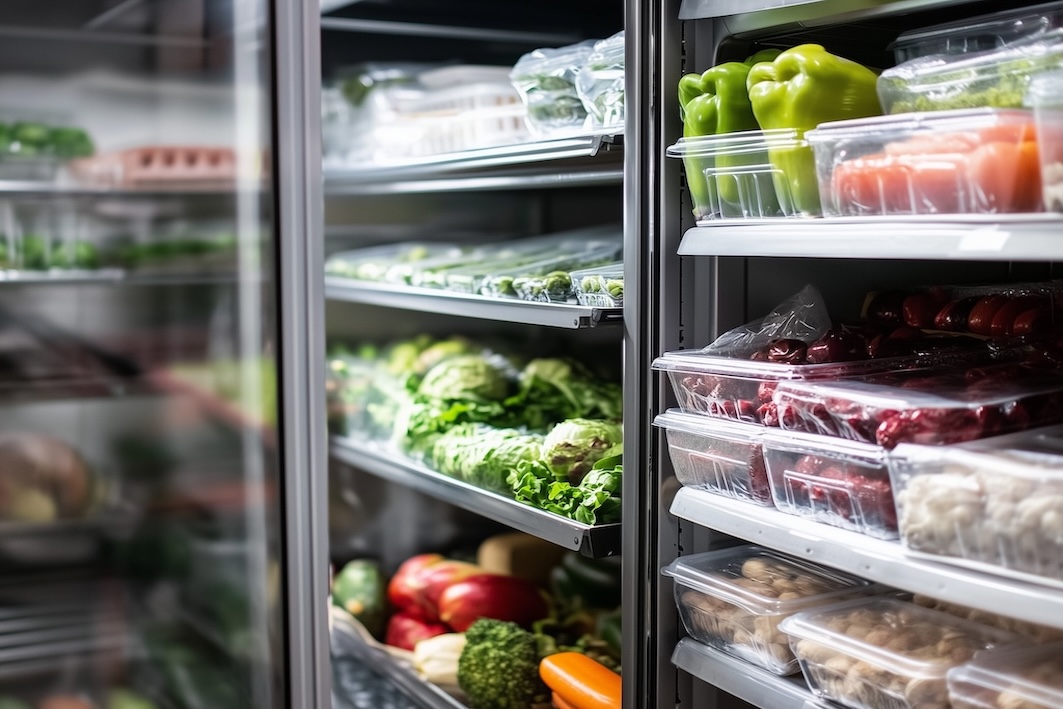
The frozen food market is now experiencing unprecedented growth both in Japan and around the world. In Japan, domestic consumption reached a record high of ¥1.3017 trillion in 2024, while the global market is expected to expand significantly over the coming years. Behind this growth are changes in social structures such as urbanization and the increase in dual-income households, as well as improvements in quality and convenience driven by advances in freezing technology. Frozen foods are no longer valued solely for convenience and time savings, but have become firmly established in everyday life across a wide range of generations by responding to health consciousness and diverse lifestyles. This article examines the current state of the frozen food industry and its future growth potential from multiple perspectives, based on the latest market data.
Contents
Market Size of Frozen Foods
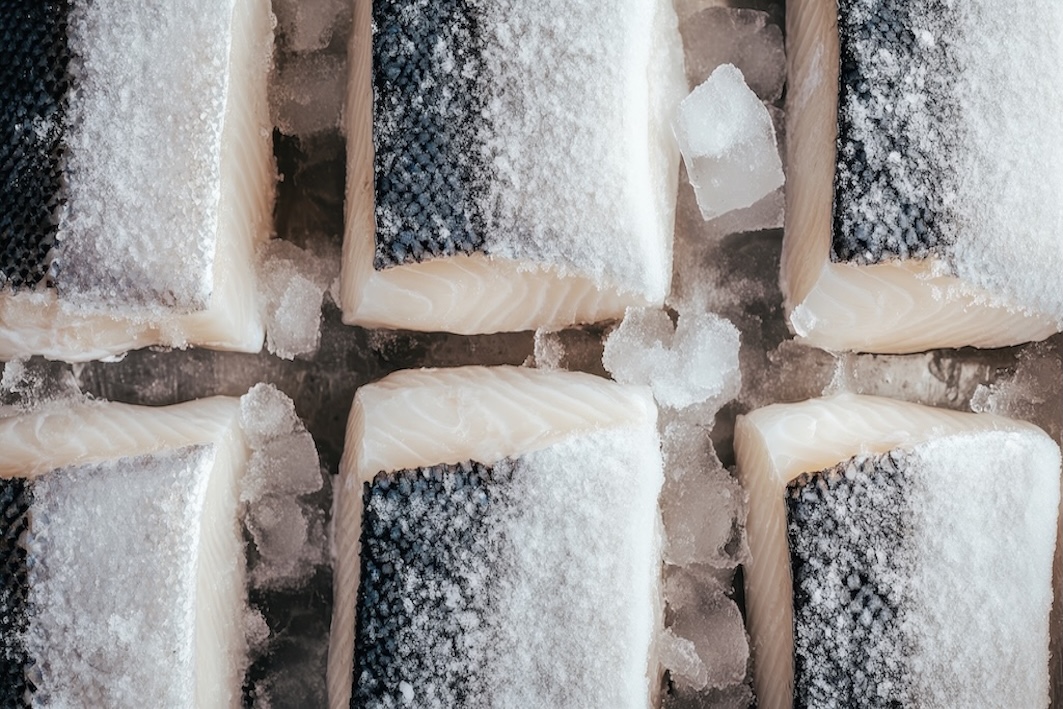
The frozen food market is a globally expanding growth sector. With continued urbanization, increasing demand for convenience, and ongoing advances in freezing technology, further market expansion is expected. Let us look at specific market data.
Domestic Market Trends
Japan’s frozen food market has shown remarkable growth in recent years, reaching a record-high level of consumption. In 2024, domestic frozen food consumption increased by 4.4% year-on-year to ¥1.3017 trillion. Notably, the household frozen food market exceeded ¥406.2 billion, representing approximately 1.5 times growth compared to 2014.
Global Market Trends
The global frozen food market is also on a strong growth trajectory, reaching USD 284.7 billion in 2024. Forecasts for subsequent years include:
– 2025: USD 310.06 billion
– 2030: Expansion to approximately USD 473.19–578.76 billion
The compound annual growth rate (CAGR) is estimated at 4.13% to 8.83%, depending on the research institution, all indicating robust growth.
These figures suggest that the growth of the frozen food market, both domestically and internationally, is not temporary but a sustained trend supported by structural changes in society.
Reasons for the Growing Demand for Frozen Foods

The rapid increase in demand for frozen foods is closely linked to multiple social factors and technological advancements. Below, we summarize the reasons from three perspectives.
Changes in Lifestyle and Demand for Time-Saving Convenience
One of the major drivers of frozen food demand is changes in modern lifestyles. The increase in dual-income households, single-person households, population aging, and greater workforce participation by women have significantly altered daily life. As a result, the need to reduce the time and effort required for meal preparation has grown rapidly.
Frozen foods are highly convenient because they can be stored for long periods and often require simple preparation, such as heating in a microwave. Especially since the COVID-19 pandemic, more time spent at home has further increased demand for easy meal preparation.
Frozen foods have shed their former negative image as “shortcut cooking” and are now widely accepted as a rational choice for using time efficiently.
Technological Innovation and Quality Improvement
Another key factor driving demand is technological innovation, particularly rapid freezing technology, and the resulting improvement in quality. Frozen foods, once considered convenient but lacking in flavor, are now being re-evaluated as high-quality gourmet products.
Modern rapid freezing technology freezes food uniformly in a short time, suppressing ice crystal growth and minimizing damage to cell membranes. This allows frozen foods to retain their original freshness, flavor, and texture after thawing, enabling consumers to enjoy professional-quality meals at home.
Advances in packaging and storage technology, as well as product development tailored to improved microwave performance, have also contributed to the increase in frozen foods that can reproduce restaurant-quality taste with simple reheating.
Expansion of Product Variety and Usage Scenarios
Technological innovation has led to the emergence of products catering to diverse needs, further expanding demand. Health-oriented frozen foods such as vegan, gluten-free, and low-carbohydrate options, chef-supervised gourmet menus, and single-serving packages for individuals are increasingly common.
Usage scenarios have also expanded beyond traditional household meals to include snacks, desserts, party dishes, and outdoor meals. Convenience stores now offer a wide range of frozen foods that meet diverse lifestyles and preferences.
Diversification of Distribution Channels and Growth of Specialty Stores

In recent years, the frozen food market has seen rapid diversification of distribution channels. In addition to supermarkets and convenience stores, new forms of distribution have emerged.
Rise of Specialty Stores
Frozen food specialty stores are experiencing rapid growth. These stores focus on quality and variety, offering products such as direct-from-producer items, chef-created menus, and health-conscious foods that are difficult to find in mass retailers.
“TŌMIN FROZEN,” operated by Technican, is one such specialty store, offering approximately 500 high-quality frozen food items. Using proprietary liquid freezing technology, it provides fresh ingredients available only at production sites and dishes prepared by professional chefs.
E-Commerce and Home Delivery Channels
Alongside specialty stores, e-commerce and home delivery services are growing rapidly. Consumers can now select and purchase a wide range of frozen foods from home. TŌMIN FROZEN sells products not only in physical stores but also through its own online shop, Amazon, and Takashimaya Online Store.
The spread of frozen food vending machines has further expanded convenience and choice. These new distribution channels are expected to continue growing, supporting further expansion of the frozen food market.
Latest Technologies Supporting Frozen Foods
The improvement in frozen food quality and growing demand are supported by remarkable advances in freezing technology, which are fundamentally transforming the image of frozen foods.
Industry-Wide Advances in Freezing Technology
The frozen food industry has seen significant progress in technologies that preserve freshness and texture. Innovations such as rapid freezing and liquid freezing enable the development of higher-quality frozen foods, making it possible to reproduce freshly prepared flavors and maintain soft textures even while frozen.
Technican’s Liquid Freezing Technology
Among ongoing technological advances, Technican has introduced proprietary liquid freezing technology. Its rapid freezing system “Tomin,” which uses liquid alcohol at -30°C, freezes food faster than conventional methods while preserving quality.
By rapidly freezing food, cellular damage is minimized, and drip after thawing is reduced to approximately one-tenth of conventional levels. Texture and flavor are preserved as if freshly prepared. The frozen products can be stored in standard freezers and thawed using various methods, including room temperature, refrigeration, heating, or running water.
This technology overturns the traditional perception that frozen foods are not tasty and represents a new era in the frozen food industry.
Examples of Frozen Foods Using Technican’s Tomin Technology

“TŌMIN FROZEN” is a frozen food specialty store operated by Technican, where all products are frozen using the proprietary liquid rapid freezing technology “Tomin.”
Examples of products include:
– Frozen nigiri sushi prepared by professional sushi chefs
– Fresh raw fish and seafood such as Shonan shirasu
– Meat and processed meat products such as Yokohama bacon
– Popular okonomiyaki from Kyoto restaurants
– Shrimp chili sauce from Manchinro in Yokohama Chinatown
– Freshly pressed unpasteurized sake frozen using Tomin
– Sweets and fruits (cakes, ice cream, Japanese confections, seasonal fruits)
– Bento meals, rice dishes, and one-plate meals
– Hot pot sets, single-serving hot pots, and prepared dishes such as simmered foods and fried items
These offerings include fresh ingredients available only at production sites, dishes prepared by restaurant chefs, sushi, sashimi, sweets, and prepared foods. Health-oriented products supervised by registered dietitians and menus from popular restaurants are also available, providing high-quality frozen versions of foods traditionally considered unsuitable for freezing.
Through e-commerce, consumers can enjoy high-quality frozen foods at home, as well as use them for special occasions and gifts.
Meeting the Growing Demand for Frozen Foods
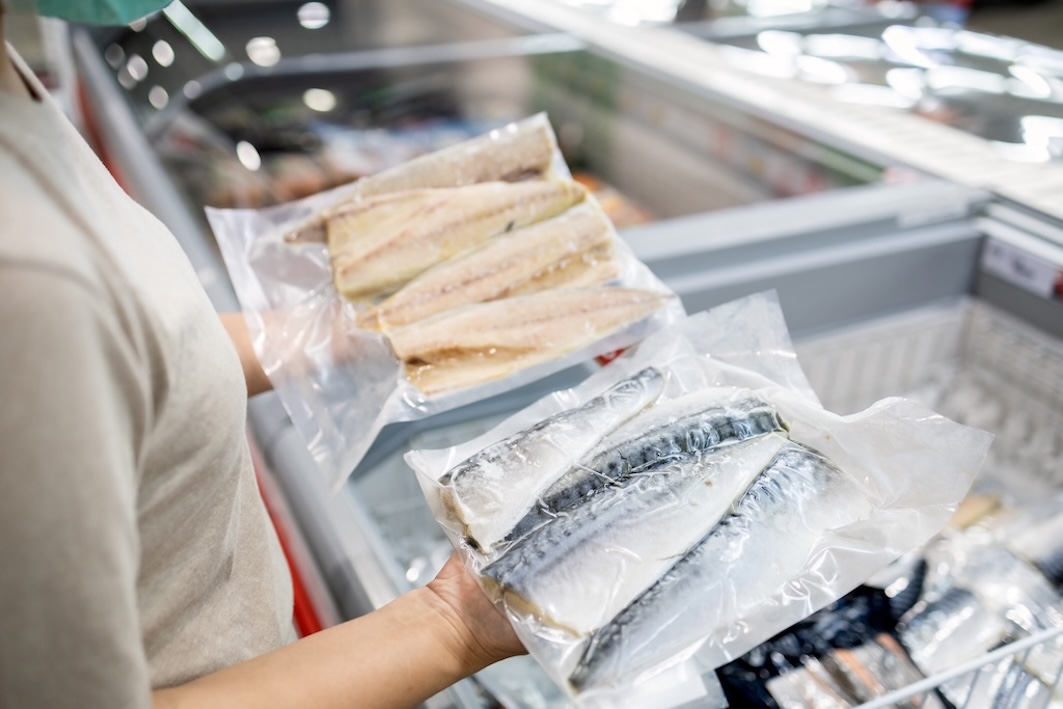
The frozen food market continues to expand domestically and internationally, driven by lifestyle changes, technological innovation, and expanding product variety. In the future, the development of high-quality, high-value-added frozen foods and the expansion of new sales channels will be key to strengthening competitiveness.
Liquid freezing technology such as Technican’s “Tomin” enables frozen foods to achieve quality close to fresh products, breaking conventional notions of frozen foods. To create new value in the growing frozen food market, we encourage you to explore Technican’s innovative freezing technology.

