
Rapid Freezing for Livestock Products: Preserving Freshness, Reducing Costs, and Real-World Case Studies
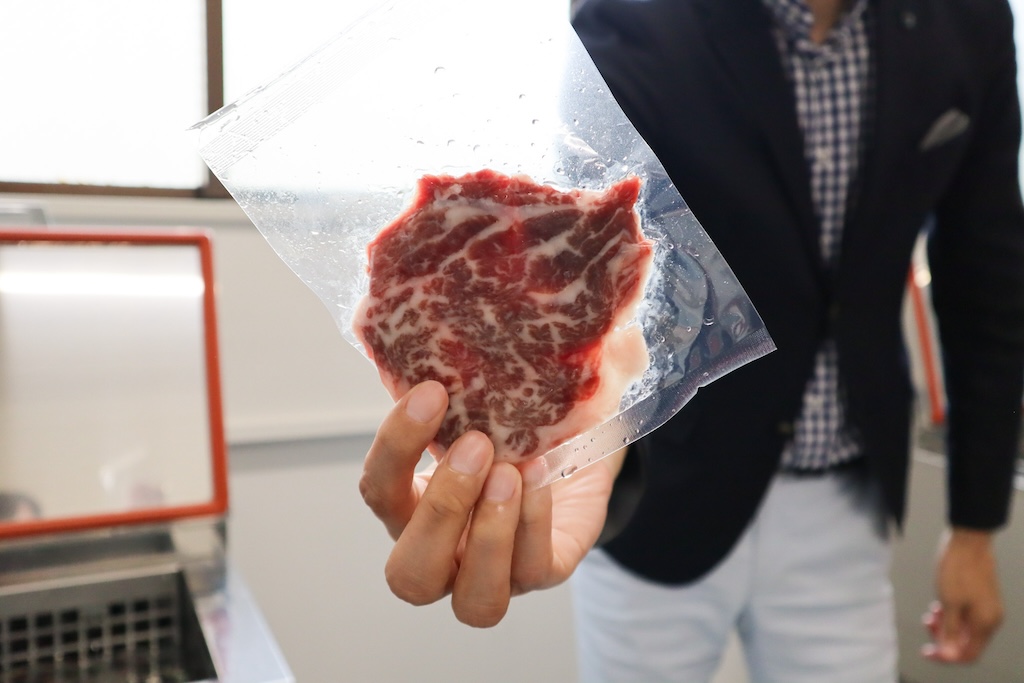
Maintaining the quality of livestock products and reducing food loss are major challenges for businesses involved in production, processing, and sales. Meat products, in particular, are highly sensitive to freshness, and conventional freezing often damages cells, resulting in excessive drip during thawing. Rapid freezing technology has emerged as a solution to these challenges. By utilizing rapid freezing, livestock products can be stored for long periods while preserving their original flavor and quality. Improved inventory control also helps reduce waste and optimize logistics costs. This article explains the benefits of rapid freezing for livestock products, real-world adoption cases, key thawing points, and recommended rapid freezers. If you aim to improve quality while reducing costs, this guide will be valuable.
Contents
- The Appeal of Rapidly Frozen Livestock Products
- Case Studies of Rapid Freezing Adoption for Livestock Products
- Key Points for Thawing Livestock Products
- Technican Rapid Freezers Suitable for Livestock Products
- Understanding Compatible Livestock Products
- Solving Quality and Cost Challenges with Rapid Freezing
The Appeal of Rapidly Frozen Livestock Products

Rapid freezing technology enables long-term storage while maintaining freshness and flavor. Below, we explore the specific benefits.
Mechanism for Preserving Freshness
Rapid freezing preserves freshness by quickly passing food through the “maximum ice crystal formation zone,” which occurs between -1°C and -5°C.
In conventional freezing, food passes slowly through this zone, allowing large ice crystals to form and damage cell structures, leading to drip.
Rapid freezing minimizes ice crystal growth, reducing cellular damage and preserving texture, flavor, and nutritional value after thawing.
Logistics Efficiency and Cost Reduction
Rapid freezing offers significant logistics and cost benefits.
Chilled distribution requires frequent deliveries due to short shelf life, increasing transportation costs.
Rapid freezing extends shelf life, enabling planned and bulk distribution, reducing delivery frequency, fuel costs, and labor expenses.
Applications After Rapid Freezing
Rapidly frozen livestock products can be used in various ways:
– Nationwide sales via e-commerce platforms
– Stable supply to restaurants and institutional kitchens
– Export to overseas markets
– Development of pre-cut or seasoned products
By preserving freshness during distribution, regional products can be expanded nationwide and internationally. Pre-processed frozen products also add value by reducing preparation time.
Drip Reduction
As rapid freezing prevents large ice crystal formation, drip after thawing is significantly reduced.
This preserves juiciness and umami, improving customer satisfaction and repeat purchase rates.
Case Studies of Rapid Freezing Adoption for Livestock Products

Below are examples of businesses that successfully introduced rapid freezing.
Case Study 1: Free-Range Chicken Producer
Company A, specializing in premium free-range chicken, originally used chilled distribution, with customers freezing products at home. However, slow freezing caused excessive drip and quality loss.
After introducing rapid freezing equipment, product quality after thawing improved significantly. Inventory storage became possible, allowing flexible shipping based on demand and supporting business expansion.
Case Study 2: Yakiniku Restaurant Chain
A yakiniku restaurant chain faced issues with inconsistent meat quality, preparation inefficiency, and food waste.
Rapid freezing reduced drip and freezer burn, enabling consistent quality. Batch preparation and freezing improved efficiency and reduced waste.
Case Study 3: Dairy Farm in Hokkaido
Suzuki Farm in Tokachi, Hokkaido, produces A2 milk, which is easier to digest.
To distribute nationwide and internationally, they introduced Technican’s liquid rapid freezer “Tomin.”
Normally, freezing milk causes separation of fat and water, degrading quality. Using liquid freezing with high thermal conductivity, milk was rapidly frozen, preserving smooth texture and flavor after thawing.
The farm now distributes nationwide and is negotiating exports to Singapore and Dubai, with Tomin supporting a high-quality cold chain.
Key Points for Thawing Livestock Products

Even high-quality rapidly frozen products can lose quality if thawed improperly.
Optimal Thawing Methods
The recommended method is low-temperature thawing in a refrigerator, which minimizes cellular damage and drip.
For faster thawing, sealed products can be thawed under running water. Use cold or room-temperature water to avoid uneven thawing.
For commercial use, vacuum thawing machines provide hygienic and uniform thawing.
Precautions During Thawing
Avoid refreezing thawed products, as this causes further cellular damage.
Freeze products in small portions to thaw only what is needed.
Avoid microwave or room-temperature thawing due to uneven heating and hygiene risks.
Technican Rapid Freezers Suitable for Livestock Products
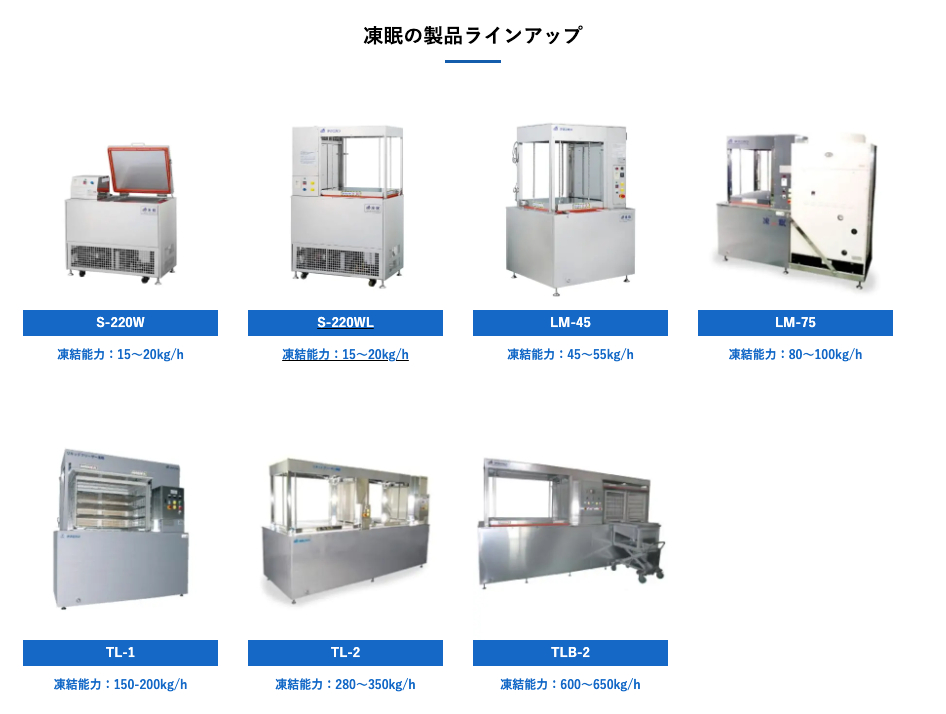
Selecting appropriate equipment is essential for livestock products, which often involve large cuts of meat.
Tomin S-220W
A popular entry model for producers, equipped with shelf-type baskets and bucket baskets for large meat blocks. Compact and mobile with casters.
Tomin S-220WL
Includes a lift function, eliminating the need for piping work. Improves handling efficiency while maintaining mobility.
Tomin LM-45
A mid-sized model with a lift system, suitable for high-volume producers and future expansion. Installation and piping are fully supported by Technican.
Understanding Compatible Livestock Products

Technican rapid freezers support a wide range of livestock products.
Even if a product is not listed on the official website, custom solutions may be available upon consultation.
Solving Quality and Cost Challenges with Rapid Freezing
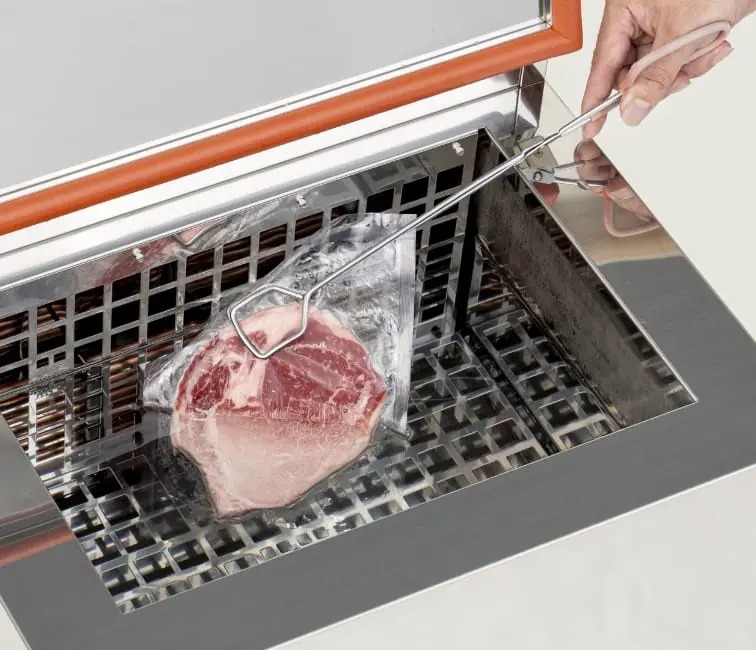
Rapid freezing of livestock products enables both quality preservation and cost reduction.
Extended shelf life supports logistics optimization, flexible inventory control, and food loss reduction. It also enables market expansion and overseas sales.
Real-world adoption shows improvements in customer satisfaction and revenue growth.
By applying proper thawing methods, the full benefits of rapid freezing can be realized. Consider introducing rapid freezing technology to enhance your business.
For inquiries regarding Technican, please contact us here.

